










Which Pillow Is Best for You? Feather vs Microfiber vs Hollow Fiber vs Cotton
Pillow
Introduction
Finding the right pillow is more important than simply picking the softest or most expensive option. Your sleeping position, preferred firmness, pillow height, filling material, mattress, climate, and personal comfort all influence which pillow is right for you.
So, which pillow is best for sleeping?
The short answer is - there is no single best pillow for everyone. Side sleepers generally need more height and support, back sleepers often prefer medium-height support, while stomach sleepers usually feel more comfortable with a thinner, softer pillow.
The filling also matters. Feather, microfiber, hollow fiber, and cotton pillows each provide a different combination of softness, support, breathability, maintenance, and feel.
In this guide, we’ll compare these pillow types and help you choose the right one for your sleeping style.
Quick Pillow Decision Matrix
Which pillow suits your sleeping style?
• Side sleeper → Higher Support Pillow → cause: Fills the space between shoulder and ear; maintains neutral spine alignment → Home Tex Side Pillow / Premium Feather Pillow
• Back Sleeper → Medium Support Pillow → cause: Keeps the natural curve of the neck without pushing the head forward → Home Tex Microfiber Pillow / Shimul Tula Pillow
• Stomach Sleeper → Low support, softer pillow → cause: Prevents neck hyperextension and strain throughout the night → Home Tex Standard Microfiber Pillow
• Natural Filling Preference → Cotton or Feather → cause: Organic breathability, long-lasting structure, and climate comfort → Home Tex Shimul Tula Pillow / Feather Pillow
• Soft, plush comfort → Feather or Shimul Cotton → cause: Suitable for sleepers who prefer a softer feel → Home Tex Shimul Cotton Pillow / Premium Feather Pillow
• Easy-Care Option → Microfiber or Hollow Fiber → cause: Machine-washable, hypoallergenic, highly resilient bounce → Home Tex Hollow Fiber Pillow / Micro Fiber Pillow
• Hot & Humid Climate → Breathable, suitable-fill pillow → cause: Temperature and airflow matter for comfort → Home Tex Hollow Fiber Pillow / Micro Fiber Pillow
• Adjustable feeling comfort → Depending on construction → cause: Choose based on loft, firmness and personal preference → Home Tex Side Pillow / Premium Feather Pillow
Important!
Pillow recommendations are general guidelines. Your ideal pillow depends on your body, mattress, sleeping position, and personal comfort. Sleep Foundation also notes that pillow loft and firmness should be considered together rather than treating height alone as a measure of support.
Feather vs Microfiber vs Hollow Fiber vs Cotton - Full Comparison
Detailed comparison of four filling types
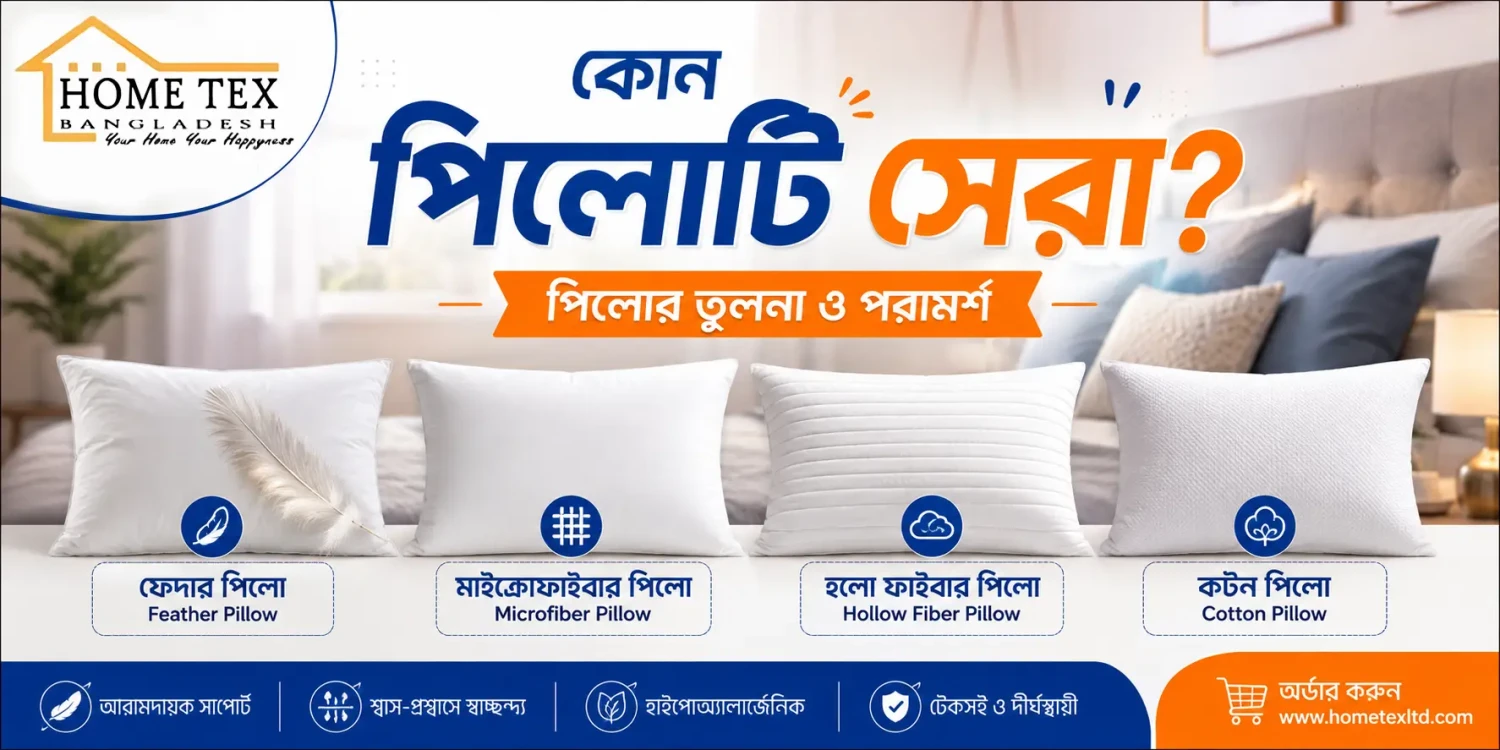
• Feather → High support, best for side sleepers, breathable, mid to premium range
• Microfiber → Medium support, best for back sleepers, machine washable, budget to mid range
• Hollow Fiber → Soft to medium support, best for back/stomach sleepers, easy-care, budget to mid range
• Cotton (Shimul Tula) → Medium support, best for side/back sleepers, very breathable, premium natural fiber
Note: Add your current price ranges for each product line once confirmed — leaving relative "budget/mid/premium" positioning here rather than guessing exact figures.
Feather vs Microfiber Pillow: What's the Difference?
Feather pillows use natural down/feather filling those molds closely to the shape of your head and neck, giving strong, adjustable support — this makes them a favorite for side sleepers who need extra loft to fill the gap between shoulder and head. The trade-off is more maintenance: feather pillows benefit from regular fluffing and should be kept dry.
Microfiber pillows use a synthetic fiber fill that's lighter, fully machine washable, and hypoallergenic — a good fit for back sleepers or anyone who wants a low-maintenance pillow that still offers even, medium support. See our Microfiber Pillow guide for more detail.
Hollow Fiber vs Microfiber: Which Is Better?
Both are synthetic and easy-care, but they behave differently:
- Hollow fiber filaments have a hollow core, trapping more air — this makes hollow fiber pillows feel softer and more breathable, and they tend to hold their shape well over time.
- Microfiber filaments are finer and denser, giving a smoother, slightly firmer feel that suits people who want consistent medium support rather than a very soft pillow.
Neither is objectively "better" — hollow fiber suits stomach and light-support back sleepers, while microfiber suits back sleepers wanting steadier support. Read our full comparison in Hollow Fiber and Microfiber Pillows: The Key to Comfortable and Healthy Sleep.
Cotton Pillow vs Fiber Pillow: Which Should You Choose?
Choose a cotton (Shimul Tula) pillow if you prioritize a natural filling, strong breathability, and traditional comfort - Shimul cotton is a lightweight, natural fiber long used in Bangladeshi bedding for its softness and airflow. It costs more than synthetic fiber pillows because of the natural material and processing involved; we break this down fully in Why Home Tex Bangladesh Shimul Cotton Pillow is the Best and Why it Costs a Bit More. Choose a fiber pillow (microfiber or hollow fiber) if you want a machine-washable, hypoallergenic, budget-friendly option that's easier to maintain in Bangladesh's humid climate.
Why Does Your Pillow Matter?
Your pillow supports your head and neck while you sleep. The goal isn’t simply to make your head feel comfortable; it should also help maintain a natural position between your head, neck, shoulders, and spine.
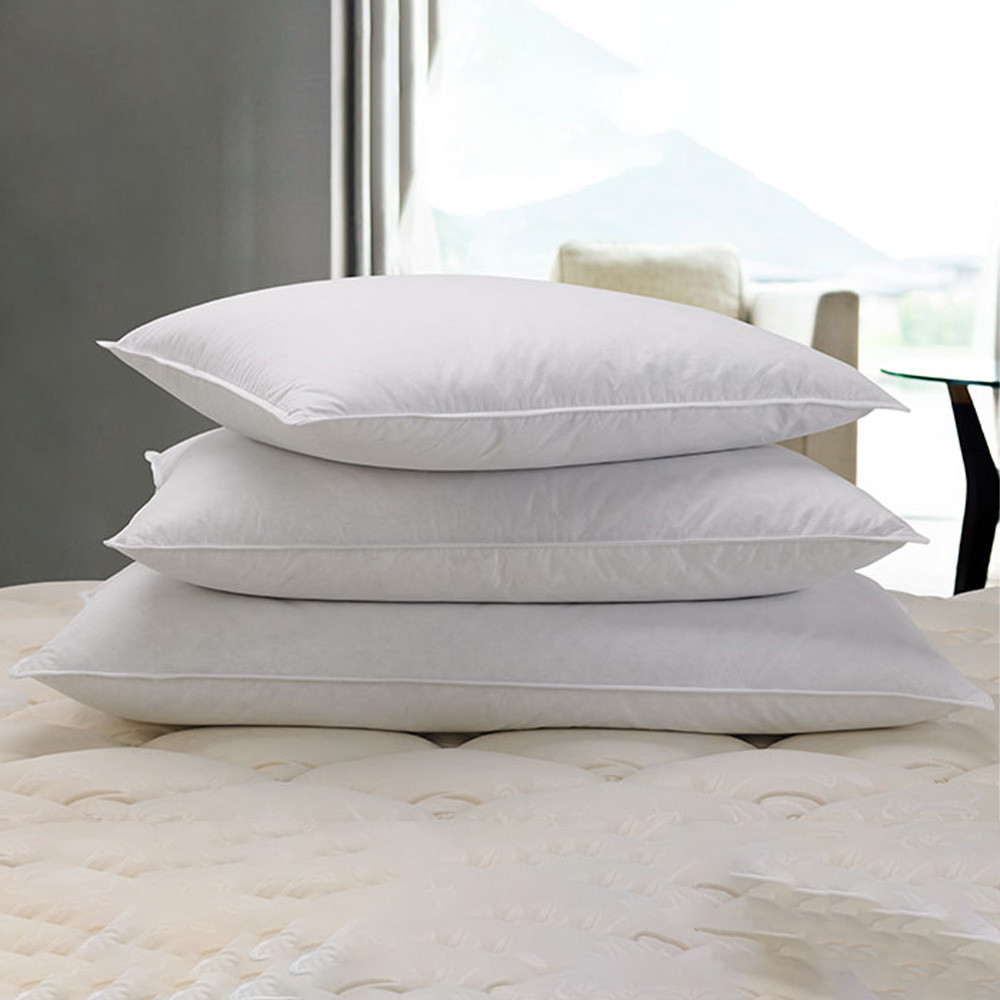
A pillow that is too high may push your head upward. A pillow that is too low may allow your head to drop toward the mattress.
This is particularly important for side sleepers because the shoulder creates a larger gap between the head and mattress. Side sleepers therefore generally benefit from a higher-loft pillow that fills this space.
Back sleepers generally require less height, while stomach sleepers typically need a much thinner pillow.
First: Understand Pillow Loft
Before comparing feather, microfiber, hollow fiber, and cotton, it helps to understand one important term: support.
Loft means the approximate height or thickness of a pillow when it is not compressed.
A general classification is:
• Low support: Less than 3 inches
• Medium support: Around 3–5 inches
• High support: More than 5 inches
These are general categories rather than universal rules because different fillings compress differently when you put your head on the pillow.
What Is the Best Pillow for Sleeping?
The best pillow for sleeping is the one that keeps your neck and spine aligned with your mattress throughout the night — this depends more on your sleeping position than on any single "best" filling. A pillow that's too high or too firm for your position causes neck strain; too flat or too soft fails to support you. That's why Home Tex offers multiple fill types (feather, microfiber, hollow fiber, and Shimul cotton) rather than a single "one size fits all" pillow.
Why does support matter?
Imagine three people:
Side sleeper: Their shoulder creates more distance between their head and the mattress, so they generally need more pillow height.
Back sleeper: There is less space between the head and mattress, so medium support is often more appropriate.
Stomach sleeper: A thick pillow can raise the head too much, so a low-profile pillow is generally preferred.
Best Pillow for Side Sleepers
If you primarily sleep on your side, pillow height and support are particularly important.
What should a side sleeper look for?
A side sleeper generally benefits from:
• Medium-to-high loft
• Good head and neck support
• Enough firmness to prevent excessive sinking
• Comfortable shoulder clearance
• A shape and filling that maintain their structure during sleep
The reason is simple: your shoulder creates a relatively large gap between your head and mattress. A pillow that is too thin can allow your head to tilt downward. A pillow that is excessively thick can tilt your head too far upward.
Which Home Tex pillow types may suit side sleepers?
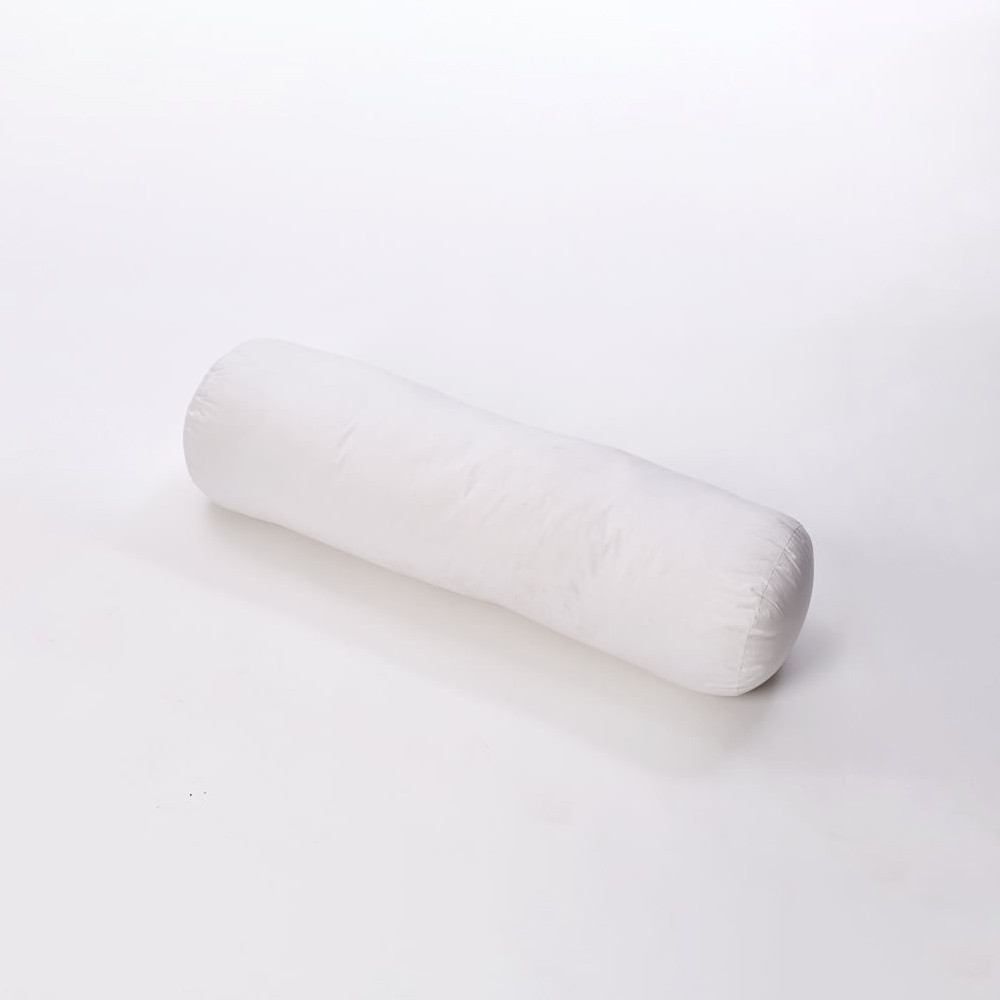
Depending on the specific construction and firmness, higher-support Feather, Microfiber, Hollow Fiber, or Side Pillow options may be considered.
The important point is not simply the filling name. Look at the actual pillow’s:
Height + firmness + compression + support.
Best Pillow for Back Sleepers
Back sleepers generally need a pillow that supports the natural curve of the neck without pushing the head too far forward.
A medium-loft pillow is commonly recommended for back sleeping.
What should a back sleeper look for?
Look for:
• Medium loft
• Medium support
• Comfortable neck support
• A filling that does not collapse excessively
• A pillow that keeps your head from being pushed too far forward
If your pillow is very thick, you may feel that your chin is being pushed toward your chest. If it is too thin, your head may fall too far backward.
The goal is a comfortable, neutral position.
Best Pillow for Stomach Sleepers
Stomach sleepers have different requirements.
When you sleep face-down, your head is already close to the mattress. A thick pillow can raise your head significantly and create an uncomfortable neck angle.
For this reason, stomach sleepers generally prefer a soft, low-loft pillow, and some people prefer little or no pillow beneath the head.
What should stomach sleepers look for?
• Low loft
• Soft or plush feel
• Less filling
• Easy compression
• Minimal elevation
If you are a stomach sleeper, don’t assume that a bigger, fuller pillow is automatically better.
Feather vs Microfiber vs Hollow Fiber vs Cotton Pillow
Now let’s compare four popular filling categories.
1. Feather Pillow
Feather pillows are filled with the outer feathers of ducks or geese. These feathers are more structured and provide more support compared to down. Feathers are heavy enough to help the pillow keep its shape.
Potential advantages
• Soft and comfortable
• Natural filling
• Durable with a good lifespan
• Naturally breathable and temperature regulating
• Suitable for people who enjoy a traditional pillow experience
Disadvantages
• Feather quills can sometimes poke through the cover
• Heavier than synthetic alternatives
• Not hypoallergenic - can trigger allergies
• Requires regular fluffing
Who might prefer it?
Back sleepers who want a soft, moldable pillow; people who prefer natural materials.
2. Microfiber Pillow
Microfiber is a synthetic fiber finer than a strand of silk, typically made from polyester or a blend of polyester and polyamide. It is ultra-fine a single microfiber thread of 900 meters weighs less than 1 gram, about one-fifth the width of a human hai..
Potential advantages
• Ultra-soft, plush, and luxurious feel
• Hypoallergenic – resists dust mites and allergens
• Lightweight and breathable
• Durable and maintains shape for years
• Easy to wash and quick-drying
Disadvantages
• Can flatten over time and become clumpy
• Slightly less breathable than hollow fiber
• Synthetic material (not natural)
Who might prefer it?
Allergy sufferers; side sleepers who need soft yet supportive pillows; people who want easy-care bedding.
3. Hollow Fiber Pillow
Hollow fiber is a premium synthetic material with fibers that have hollow spaces inside them. These hollow, air-filled fibers help the pillow retain its shape over time without collapsing under pressure.
Potential advantages
• Lightweight
• Soft and springy feel
• Good loft potential
• Long-lasting - maintains shape without becoming flat or lumpy
• Conforms to the shape of your head for extra comfort
Disadvantages
• Synthetic material (not natural)
• Less luxurious feel compared to microfiber
Who might prefer it?
Hot sleepers who need maximum breathability; back sleepers; people who want durable, low-maintenance pillows.
4. Cotton Pillow
Shimul cotton is a natural material harvested from the Shimul tree (Bombax ceiba). Home Tex Bangladesh uses 100% pure Shimul cotton in their pillows, ensuring superior comfort and durability.
Potential advantages
• 100% natural and eco friendly
• Highly breathable – regulates temperature naturally
• Provides excellent head and neck support
• Long-lasting and durable
• Hypoallergenic and chemical-free
Disadvantages
• More expensive than synthetic options
• Can become hard and flat over time if not properly cared for
• Absorbs moisture, requiring more careful washing
Who might prefer it?
Eco-conscious consumers; people who prefer natural materials; those willing to invest in premium quality for long-term comfort.
Caring for Your Pillow
Whichever fill you choose, a Pillow Protector extends its life significantly by shielding it from sweat, dust, and oils — especially important for feather and cotton pillows, which are harder to clean than synthetic fiber fills. We cover this in more depth in Home Tex Pillow Covers: Comfort, Style and Versatility.
Feather vs Microfiber vs Hollow Fiber vs Cotton: Comparison
Key highlights of each filling type
• Feather → Natural, soft-plush feel, medium–high loft, traditional choice
• Microfiber → Synthetic, soft-smooth feel, convenient maintenance, everyday comfort
• Hollow Fiber → Synthetic, light-springy feel, easy-care, affordable comfort
• Cotton → Natural, supportive feel, gentle care, natural-fiber preference
Note: The table describes common characteristics. Actual firmness, loft, softness, durability, and maintenance depend on the individual pillow’s construction and materials.
Which Pillow Is Best for Hot and Humid Weather?
For people living in warm or humid climates, pillow temperature can be an important part of comfort.
The fill and cover materials can affect how well a pillow regulates temperature. Breathability and airflow are therefore useful factors to consider when choosing bedding.
If you live in a hot climate, don’t consider only:
“Is this pillow soft?”
Also ask:
• Does it feel breathable?
• Does it retain heat?
• Does the cover allow airflow?
• Is the filling suitable for my sleeping environment?
• How easy is it to maintain and clean?
• Will I use it in an air-conditioned or non-air-conditioned room?
For Bangladesh and other warm climates, these questions can be particularly useful when selecting bedding.
Does Your Mattress Affect Your Pillow Choice?
Yes.
Your pillow doesn’t work independently from your mattress.
A softer mattress allows your body to sink further into the surface, which can reduce the distance between your head and mattress.
A firmer mattress generally allows less sinking, potentially leaving a larger gap that your pillow needs to fill.
So before buying a new pillow, consider:
Mattress firmness + sleeping position + shoulder width + pillow loft + pillow firmness.
This is why two people can sleep on the same pillow and have completely different experiences.
How to Choose Your Pillow in 5 Simple Steps
Step 1: Identify your main sleeping position
Ask yourself:
Do I mostly sleep on my side, back, or stomach?
If you change positions during the night, choose a pillow that works with your primary position and provides enough flexibility for your secondary position.
Step 2: Choose the appropriate loft
Side sleeper
• Consider a higher loft.
Back sleeper
• Consider a medium loft.
Stomach sleeper
• Consider a low loft.
• These are starting points, not strict rules.
Step 3: Decide between natural and synthetic filling
Prefer natural materials?
Consider:
Cotton or Feather
Prefer synthetic filling?
Consider:
Microfiber or Hollow Fiber
Step 4: Think about firmness
1. A pillow’s height alone doesn’t determine support.
2. A very soft, high pillow may compress significantly.
3. A firm, thinner pillow may provide more resistance.
Therefore, evaluate:
Loft + Firmness + Filling + Construction
together.
Step 5: Consider your climate and maintenance needs
If you live in a warm or humid environment, think about breathability and temperature regulation.
If you want a pillow that’s convenient for everyday care, synthetic-fiber options may be worth considering.
Pillow Buying Decision Chart
Use this simple decision process:
Do you sleep mostly on your side?
Yes → Start with a medium-to-high support pillow.
Do you sleep mostly on your back?
Yes → Start with a medium-loft pillow.
Do you sleep mostly on your stomach?
Yes → Consider a low-loft, softer pillow.
Do you prefer natural filling?
Yes → Explore cotton or feather options.
Do you prefer synthetic filling?
Yes → Explore microfiber or hollow fiber.
Do you prefer a soft, plush feel?
Yes → Compare feather and suitable microfiber/fiber options.
Do you want everyday practicality?
Yes → Compare microfiber and hollow fiber options based on the specific product’s care instructions.
What Is the Best Pillow for Sleeping?
There isn’t one universally best pillow.
The best pillow is the one that provides the right combination of support, loft, comfort, filling, and temperature characteristics for your individual sleeping style.
As a simple starting point:
• Side sleepers → Higher support
• Back sleepers → Medium support
• Stomach sleepers → Lower profile
• Natural filling preference → Cotton or Feather
• Synthetic filling preference → Microfiber or Hollow Fiber
This approach is more useful than choosing a pillow simply because it is labelled “premium” or “soft.”
Feather vs Microfiber vs Hollow Fiber vs Cotton: Which One Should You Buy?
Here’s the simplest way to think about it:
Choose Feather if you want:
• A traditional natural filling
• Soft, plush comfort
• A malleable pillow feels
Choose Microfiber if you want:
• Soft synthetic comfort
• Lightweight construction
• Practical everyday use
Choose Hollow Fiber if you want:
• Lightweight synthetic filling
• Loft and cushioning
• Everyday comfort
Choose Cotton if you want:
• Natural filling
• Traditional material
• A different feel from synthetic fiber
But remember: the filling name alone doesn’t determine whether a pillow is right for you.
Always consider the actual pillow’s dimensions, loft, firmness, filling quantity, cover, construction, and care instructions.
Home Tex Pillow Collection
Home Tex Bangladesh offers different pillow options designed around different preferences, including Feather Pillow, Premium Feather Pillow, Microfiber Pillow, Hollow Fiber Pillow, Shimul Tula Pillow, and Side Pillow.
This variety allows shoppers to compare different materials and styles rather than choosing from only one type of pillow.
When selecting your pillow, start with your sleeping position and desired level of support, then choose the filling and feel that best match your preferences.
Frequently Asked Questions
What is the best pillow for sleeping?
A: The best pillow matches your sleeping position- higher support for side sleepers, medium support for back sleepers, and soft or low support for stomach sleepers. There's no single best fill for everyone.
Which pillow is best for side sleepers?
A: Side sleepers generally benefit from a thicker, supportive pillow that fills the space between the head and shoulder and helps maintain a neutral position.
Which pillow is best for back sleepers?
A: Back sleepers commonly prefer a medium-loft pillow that supports the neck without pushing the head too far forward.
Which pillow is best for stomach sleepers?
A: Stomach sleepers generally prefer a soft, low-loft pillow because excessive height can raise the head and increase neck strain. Some stomach sleepers may prefer little or no pillow under the head.
Which pillow is best for neck pain?
A: A pillow that keeps the neck aligned with the spine helps reduce neck pain — this typically means a firmer, higher-loft option like feather for side sleepers, and a medium-support fiber pillow for back sleepers. Persistent neck pain should be discussed with a doctor.
Which is better: hollow fiber vs microfiber?
A: Hollow fiber tends to feel softer and more breathable due to its hollow-core structure, making it better for stomach or light-support sleepers. Microfiber is softer and feels closer to natural down, making it great for stomach and back sleepers.
Is feather or microfiber pillow better?
A: Neither is universally better. Feather offers higher, moldable support and suits side sleepers, while microfiber is lighter, hypoallergenic, and easier to maintain — better suited to back sleepers who want consistent medium support. Feather may appeal to people who prefer natural, traditional softness, while microfiber can appeal to those seeking soft synthetic comfort and practical everyday use.
Is a cotton pillow better than a fiber pillow?
A: When comparing a cotton pillow vs fiber pillow, pure Shimul cotton provides firmer support, is 100% natural, and regulates temperature better in warm climates. Fiber pillows (microfiber/hollow fiber) are machine washable, hypoallergenic, and easier to maintain in humid climates.
Is cotton a good pillow filling?
A: Cotton can be a good choice for people who prefer a natural filling and traditional feel. The final comfort depends on the pillow’s construction and filling quantity.
Can one pillow work for every sleeping position?
A: It can, but it may not be ideal. Combination sleepers should consider a pillow that provides enough flexibility for their primary and secondary sleeping positions.
How high should a pillow be?
A: There is no single correct height. Side sleepers generally need more loft, back sleepers commonly need medium loft, and stomach sleepers usually need low loft.
How often should I replace my sleeping pillow?
A: Most pillows perform best for 1–2 years with proper care; while natural feather and pure Shimul cotton pillows can last 2 to 3 years or longer with regular sun-airing and care. By using a pillow protector and airing natural-fill pillows regularly can extend this. Replace sooner if the pillow no longer springs back after fluffing.
Conclusion
Choosing the right pillow isn’t about finding the most expensive pillow or the softest pillow.
It’s about finding the right match between:
Your sleeping position + pillow loft + firmness + filling + climate + mattress + personal preference.
• If you’re a side sleeper, start by looking for higher support.
• If you’re a back sleeper, consider medium loft and balanced support.
• If you’re a stomach sleeper, consider a softer, low-profile pillow.
Then decide whether you prefer the characteristics of Feather, Microfiber, Hollow Fiber, or Cotton.
The right pillow can make your sleeping environment feel more comfortable—but the best choice is ultimately the one that fits your individual needs.
Explore different Home Tex pillow options and choose the comfort level and filling that suits your sleep style.
Related Reading
Shop Which Pillow Is Best for You? Feather vs Microfiber vs Hollow Fiber vs Cotton Items




about our company
Hometex Bangladesh provides the best quality bedsheets for its customers. We are committed to providing the best products to our consumers. We do great care in every stage to make sure that the end product will be safe for all. We follow four key processes to ensure authentic products with consistent quality.
(Home Tex Bangladesh Trade License NO: 02-9854).
subscribe to newsletter
Subscribe to home tex newsletter to get updates and offers directly to your email. Your information is secured with us.
Contact us
- Shop Address: Shop# 04, Level# 04, Green Saranika Shopping Mall, 369 Elephant Road, Dhaka-1205.
- +880 1324-742555, +880 1324-742556, +880 1600-351149
- info@hometexltd.com, hometexltd.bd@gmail.com
Hometex